/
The Parish Church of St George in Ticknall is an example of the work of Derby architect Henry Isaac Stevens and was built to replace the old church dedicated to St Thomas Becket. It was consecrated by the Bishop of Hereford Rt. Revd. Thomas Musgrave on 6 October 1842. Remnants of the previous church stand
/
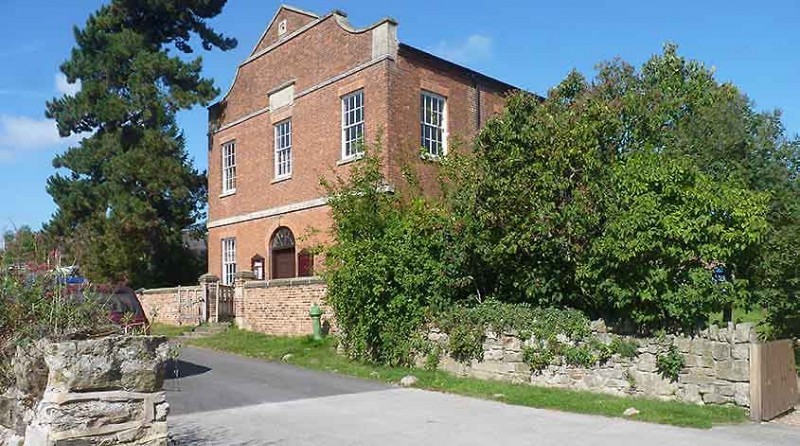
In 1792 Ticknall Methodists Trustees paid 15 shillings for part of a garden on the old coach road from Calke Abbey to the Parish Church (now Chapel Street). The plot belonged to Sarah, widow of Thomas Dutton, joiner, and was opposite the present Chapel. There they built a Meeting House, which effectively replaced the overcrowded
/
Around three years ago – so 2015 – the clock at St George’s Church, Ticknall, stopped chiming. After several attempts to rectify the problem, it was decided that we needed to seek expert help to solve the issue. Smith of Derby is a well-known and respected firm of clockmakers, and so we consulted them. We
/
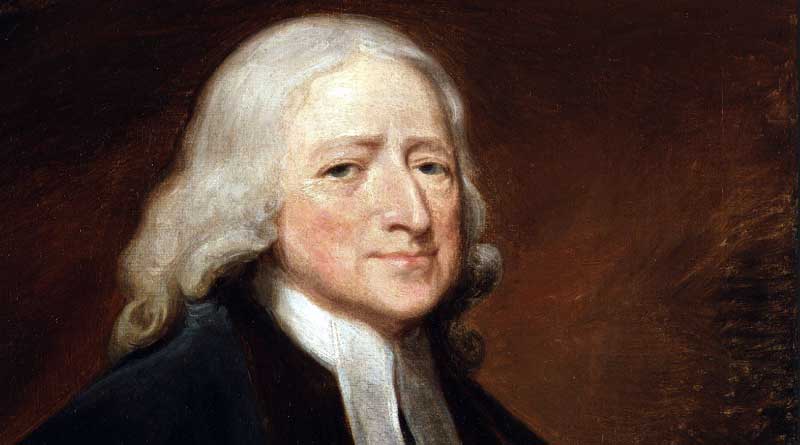
In the year 1739, the Hastings sisters of Ashby were in London for the season, along with many other members of the gentry of the land. They came to hear of a preacher called John Wesley and curiosity took them to Fetters Lane where a group of Methodists were meeting. They were immensely impressed, especially
/
The British Humanist Association is the national charity working on behalf of non-religious people who seek to live ethical and fulfilling lives on the basis of reason and humanity. It promotes a secular state and equal treatment in law and policy of everyone, regardless of religion or belief.
/
Secularism is a principle that involves two basic propositions. The first is the strict separation of the state from religious institutions. The second is that people of different religions and beliefs are equal before the law. Separation of religion from state The separation of religion and state is the foundation of secularism. It ensures that

Faith

Other faiths are available.