/
Winifred Harpur Crewe, always known as Winnie, was born into a privileged life in 1879. The second daughter of Sir Vauncey Harpur Crewe, Bart., she spent much of her childhood happily at Calke Abbey with her parents and siblings, one brother and three sisters. Winnie’s life followed the usual and expected pattern of the “gentry”
/
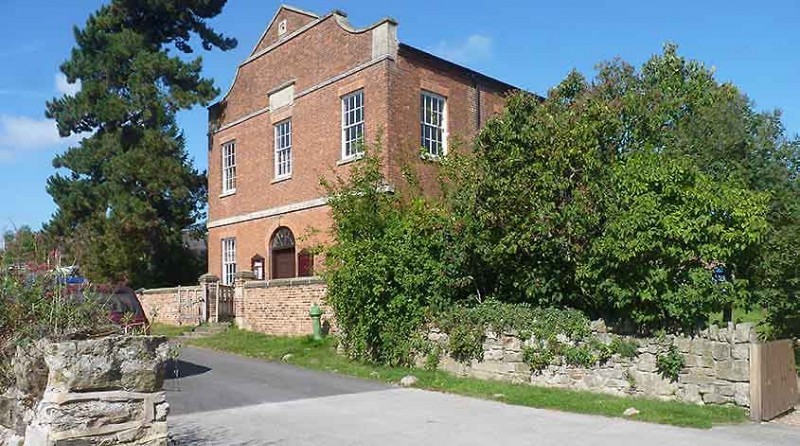
In 1792 Ticknall Methodists Trustees paid 15 shillings for part of a garden on the old coach road from Calke Abbey to the Parish Church (now Chapel Street). The plot belonged to Sarah, widow of Thomas Dutton, joiner, and was opposite the present Chapel. There they built a Meeting House, which effectively replaced the overcrowded
/
There are over 30 known pottery sites in the Ticknall area. Excavations have produced 13th century Coal Measures White Wares on production sites. Documents from 1328 refer to “le cleyputs” and in the late 1200s “Henricus ad Furnum” (Henry at the oven) is named. It is probably a pot oven. By 1538-1547 seven potters were
/
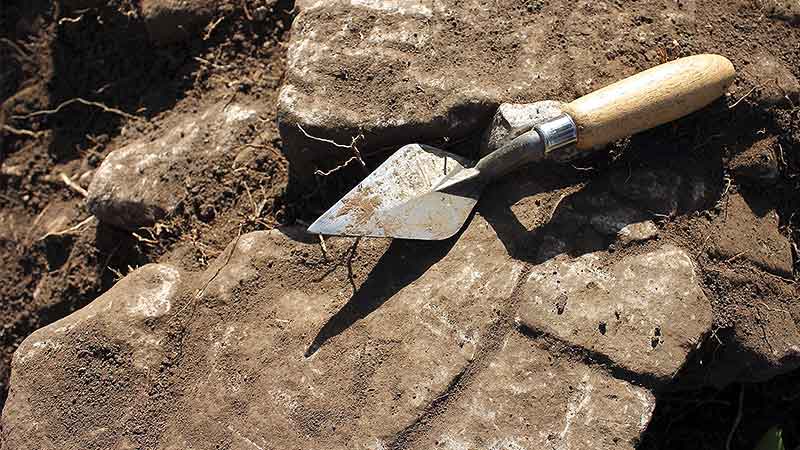
A large field, recently ploughed, 20 volunteers, eager to be trained, and a fine sunny day, what more could anyone want? This was
/
We finished the last article warmly ensconced in the double privy in the Methodist church, which article was sent to Sharps Pottery Museum, so, if you are not at lunch, we’ll explore these ‘facilities’ a little further. I suppose the record in this country (perhaps the origin of ‘Privy Council’?) must be held by Hampton
/
We need drawings of some of our finds to include in reports on our projects. The reports are published as TARG reports, where the archaeology and the interpretation is all done by TARG members. The reports go to the official archaeological record and to the National Trust. Pot drawing (most of the finds being pottery) sessions usually take
/
The Thringstone Fault crosses the parish of Ticknall from east to west, separating the Coal Measures clays to the south from the upthrust Carboniferous Limestone to the north. Other outliers of limestone occur at Calke, Dimminsdale, Breedon and Cloud Hill, but otherwise limestone is fairly rare in the area. The Romans were well aware that
/
Well! That was the year that wasn’t! Little did we suspect, when we met for TARG’s AGM in March last year, the magnitude of what was about to hit us a few days later. 2020 was TARG’s 10th anniversary and we were looking forward to yet another year of busy activity. Unfortunately, due to the
/
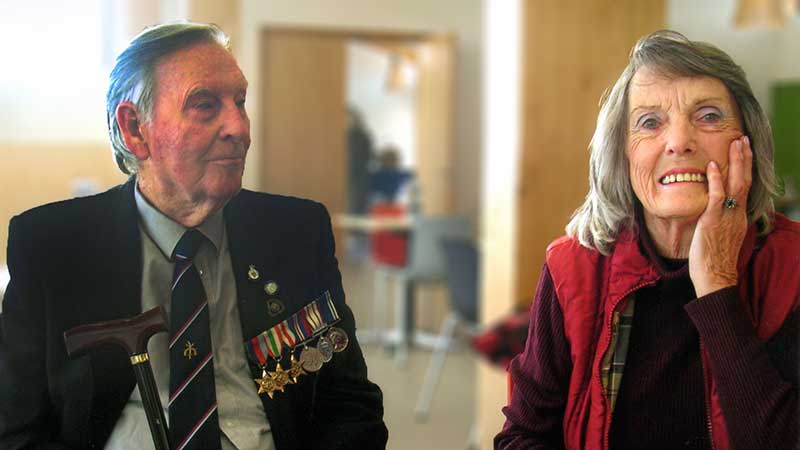
The Cruiser HMS Neptune sank with the loss of 764 officers and men on the night of 19 December 1941. Just one man was rescued by an Italian torpedo boat, after 5 days in the water. Among those missing presumed dead was John Olivers brother, 20 year old Thomas Oliver. The boat went down as
/
The clock was made by John Whitehurst Senior (1766-1834) of Derby – a notable clockmaker – in 1813. Our clock is a particularly rare example of Whitehurst’s work due to its small size. For the technically minded the clock is a two train chair turret clock consisting of an armchair strike movement with a pin wheel
/
Ticknall Archaeological Research Group is always pleased to welcome new members. Annual Subscription (for the calendar year, including insurance) is £10, £5 for under 16s. To join TARG please email targ.sec@gmail.com for further information. TARG Facebook
/
Delilah (known as Dellie) Boswell was born in Wheldon, Northants, in 1800, a member of the well-known Boswell gypsy family. The family were allowed to camp in Calke Park – a rare privilege at a time when the Calke Abbey Estate was a very private place – and were welcome visitors to the Abbey. Delilah
/
William Dexter was born in 1818 in Melbourne, Derbyshire, to parents William Bull Dexter of Shepshed and Jane Smedley of Melbourne. William and Jane were married in Melbourne Parish Church on 4 March 1811. Jane’s parents John Smedley and Mary Toone are buried in Melbourne Baptist cemetery. At a young age William was an apprentice
/
Around three years ago – so 2015 – the clock at St George’s Church, Ticknall, stopped chiming. After several attempts to rectify the problem, it was decided that we needed to seek expert help to solve the issue. Smith of Derby is a well-known and respected firm of clockmakers, and so we consulted them. We
/
The 2016 Annual General Meeting of the Neptune Association was held at the National Arboretum at Alrewas. Captain Craig Mearns from the Clyde Naval Base HMS Neptune attended and the meeting concentrated on the search for and discovery of the wreck of the Neptune. A service was held for HMS Neptune and HMS Kandahar at
/
It’s surprising what you can find out from the comfort of an armchair. All manner of weird and wonderful stories can be found in old local newspapers, which can be looked up on the internet. Most present some sort of human interest. And all the more interesting when it involves your own family! Mrs Armitage’s
/
Canadians Jane Roberts and husband Malcolm are in Ticknall exploring the places where Janes ancestors lived and worked in the days when beer, bricks, malt, pottery, coal, lime, bread, tailoring, education and veterinary services (to name but a few) were all sourced locally. Janes ancestors include two prominent locals Rowland Ordish and William Garrard who
/
On a fine, sunny Saturday morning, a number of TARG members gathered at Tadsor, off Coal Lane, for a field walking session. It didn’t take long to set up 8 lanes, each with 4 stints. The ground was so hard we could hardly get the poles and canes in – we really do need some
/
The Ticknall Tramway was a primitive form of horse tramway which was born in the Canal Age and survived long into the Railway Age. For a distance of 8 miles, it wound its way through the rural areas of North Leicestershire and South Derbyshire. As much of this area is woodland or pasture, many remains
/
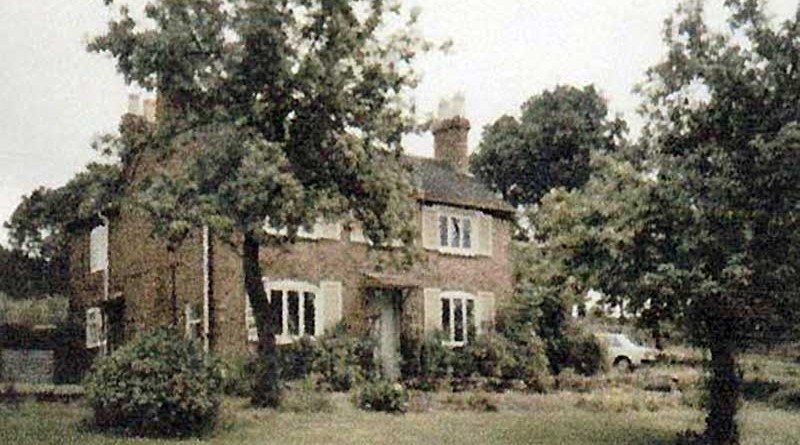
Might you still have Dexters in your midst in the lanes of Ticknall? The last Dexters to live in Ticknall (or rather the last people named Dexter) were probably Alfred and Helena Dexter who fittingly lived in Dexter’s Cottage until this burned down in the mid 1960s. Dexter’s House (108 Main Street) was built near
/
The Dexter family were in Ticknall from at least the early years of the 18th century. This same family is now spread across the country and across the globe. The name Dexter itself may have died out in Ticknall in the 1960s. But it is a fair bet that their descendants, via the female line,
/
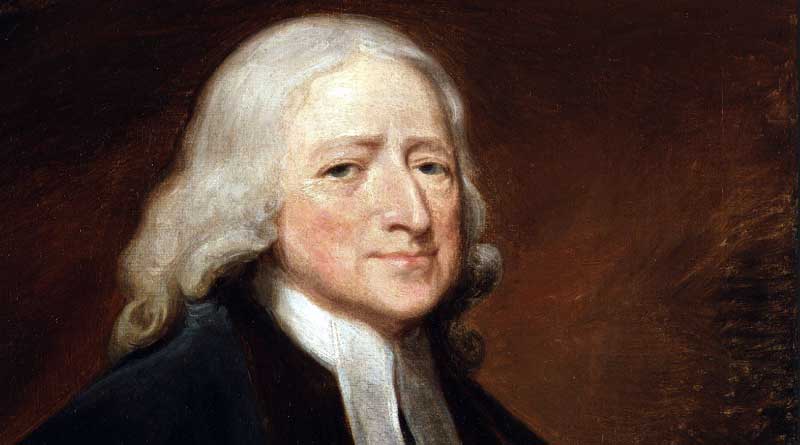
In the year 1739, the Hastings sisters of Ashby were in London for the season, along with many other members of the gentry of the land. They came to hear of a preacher called John Wesley and curiosity took them to Fetters Lane where a group of Methodists were meeting. They were immensely impressed, especially
/
Before our house was built some forty years ago there was, according to local history, evidence of a pottery on the site. Nobody can be sure of exact dates but pottery finds in the garden of our neighbour have been dated to around the fifteenth to sixteenth century. Many people in the village already know
/
Like many properties rescued by the Landmark Trust, Knowle Hill is a fragment, an intriguing memory of something once larger and finer. The fragment here is not just of a building, but also of a most interesting garden. Historical and archaeological research shows that in the two converging valleys which make up Knowle Hill we
/
The band played and church bells rang out on Sunday, 18 May 2014 in honour of one of Ticknalls best known sons Sgt. John Smith VC. Ticknall Parish Council hosted an event to unveil a plaque in honour of Sgt. John Smith VC of the Bengal Sappers & Miners. The plaque is the only one
/
The Ticknall Tramway was a primitive form of horse tramway which was born in the Canal Age and survived long into the Railway Age. For a distance of 8 miles, the Ticknall tramway wound its way through the rural areas of North Leicestershire and South Derbyshire. As much of this area is woodland or pasture,
/
John Smith, the son of a shoemaker, was born in Ticknall in 1814, and lived in a cottage between 57 and 69 Ashby Road. The cottage is no longer on the site, which is now a field between the two houses. John Smith went to India and joined the Bengal Sappers & Miners, and saw
/
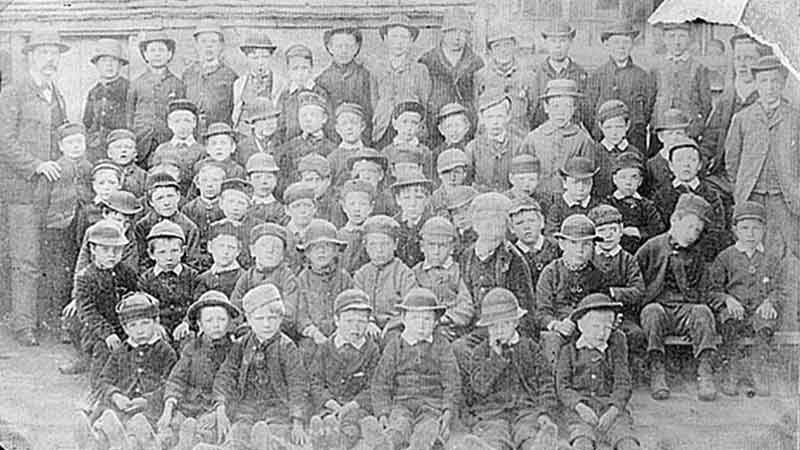
Anyone interested in the history of Ticknall School may be pleased to know that a large collection of information and photographs has been collected, recorded and bound into a document by Teresa Johnson. It goes under the title of ‘Happy as Larks’ – this being a quote from one past pupil who summed up her

Local History

A selection of posts here about the fascinating history of the area.